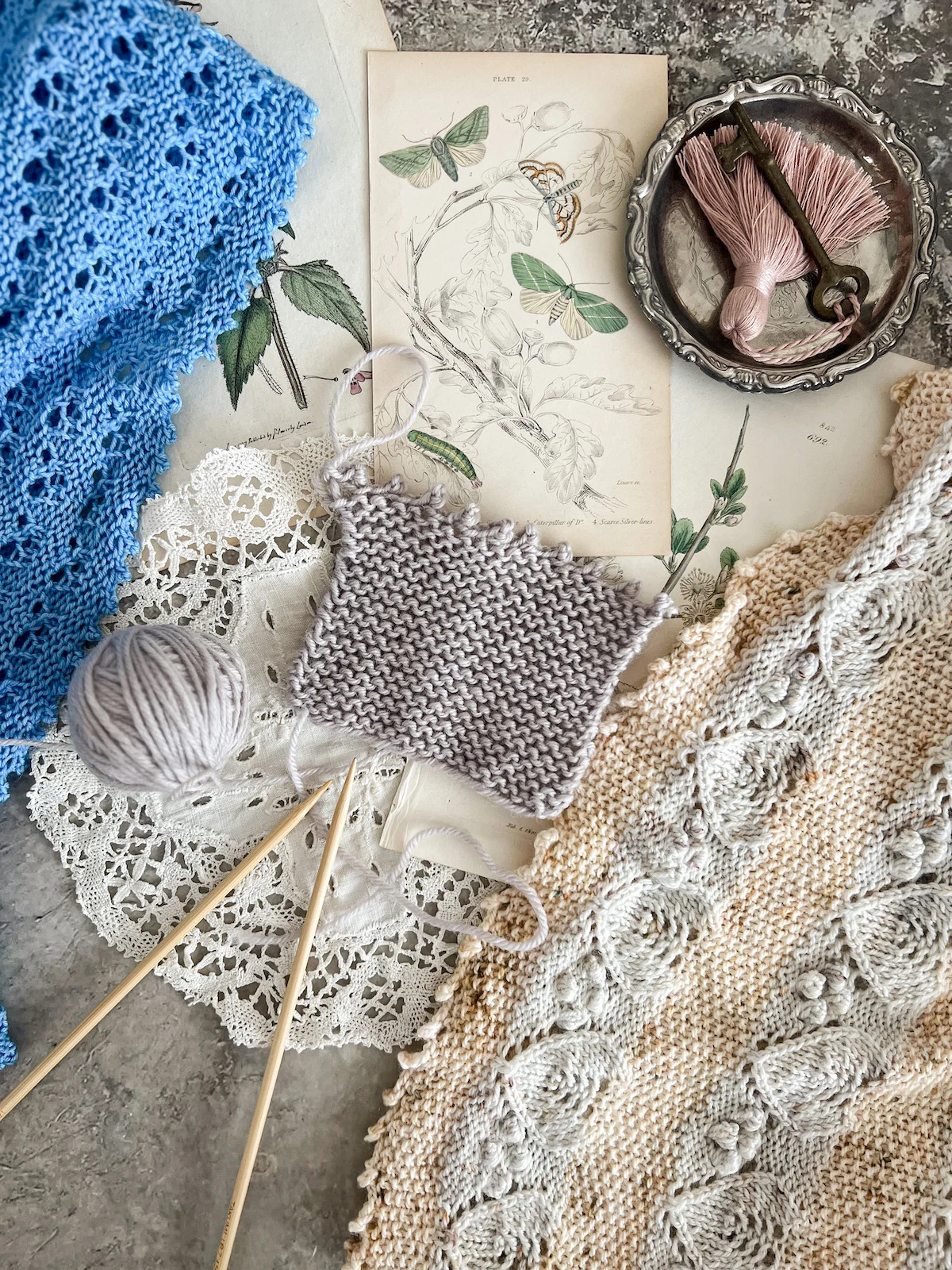
Whenever swatching comes up, it seems to almost always be in connection with swatching before casting on for a project to check your gauge. The thing is, swatching is useful for so much more than just checking your gauge, though that is an extraordinarily important function.

In today’s blog post, we’re going to talk about all of the other ways you can use swatches, big and small, to improve your knitting skills and your finished projects.
Test Out Techniques
One really cool function of swatching is that it allows you to test out different techniques. This is especially useful if you are tackling a project that uses a lot of new skills, and you are afraid of messing up badly enough that you need to rip everything out. Your swatch gives you the opportunity to try things out on a smaller scale.
For example, instead of using the tubular cast on for 200 stitches, you can test it out on 20 stitches. Then, if things go sideways, you haven’t spent as much time and won’t have to rip out as much work. Starting over feels less daunting.
I also like swatching new techniques with just components of knit items. This is one of my favorite ways to try out new toe and heel constructions for socks without having to knit an entire pair of socks to do it.

See Whether Fabric Changes After Washing
Many natural fibers take on different characteristics after a good soaking. Sometimes, this change is desirable. Other times, it’s not what you’re looking for at all.
For example, one of my favorite sock yarns is a Targhee sock yarn by Oink Pigments. It is wonderfully durable and crisp, but to some knitters, it might feel a little rough in the hank and while you are knitting it up. It can be easy to worry that this yarn will also feel rough and scratchy on your feet.
Luckily, this yarn blooms beautifully after a good soaking. The fibers loosen up and soften out, and it makes a really gorgeous yarn that is comfortable but durable.
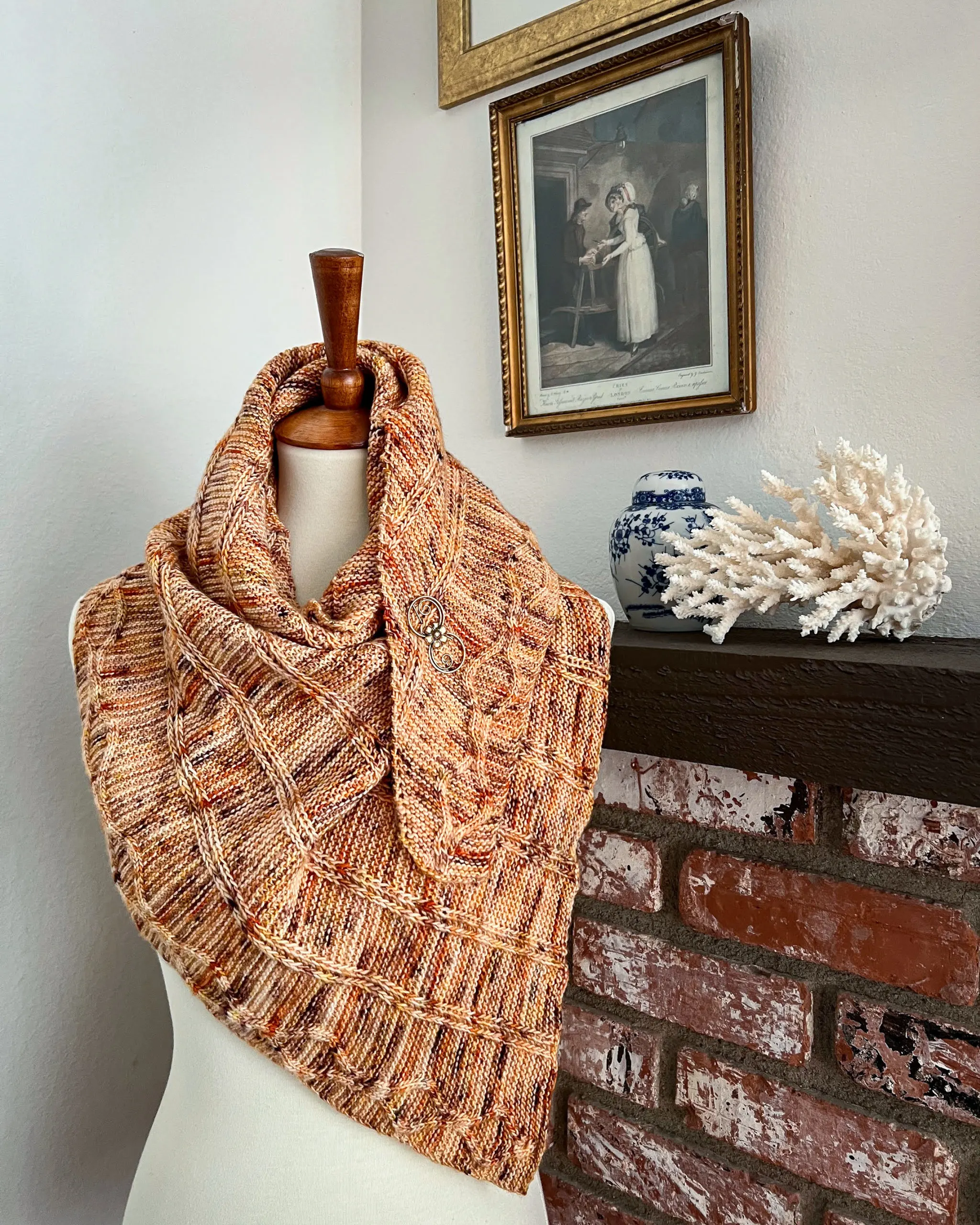
On the other hand, more delicate fibers like mohair or cashmere might be too significantly altered by exposure to water. For example, the mohair lace trim on my Grandmillennial Shawl was much fluffier before I soaked the whole shawl. While I don’t mind the finished outcome, it is quite different from what it originally looked like. If you are concerned that the knit fabric in your project might change a lot after you wash it, swatching is a great way to get a preview of that.

Check to See if Yarn Bleeds
Certain colors, especially red, are very hard to set when dying yarn. This means that they are much more likely to bleed when washed. If you are concerned that the yarn you’ve chosen for a project might bleed significantly when you wash it, knitting up a swatch and then soaking it will help you figure that out.
Of course, whether yarn bleeds can be affected by a lot more than just how it has been dyed. The temperature of the water you’re using, the pH of that water and the composition of the wool wash you’re using (if any) can all make yarn more or less likely to bleed.

Test Out Different Blocking Methods
Finally, you can knit up a couple different watches in the same stitch pattern and try blocking it in different ways to see which blocking method you prefer. Remember that whatever blocking method you use should be the same method you plan to use to clean your knitting.
For example, if you steam block a sweater, but then later you wash it, the sweater may look significantly different after washing than it did after the steam block. That’s because washing introduces much more moisture than steaming does.
If you have three swatches, though, you can test out steam blocking, a light spritz with water, and a full soak. These methods will likely give you at least somewhat varying results, and depending on the fiber in the yarn you’re using, they could give you significantly different results. The swatches will help you decide which end result you like best.
Let’s stay connected!
Join my newsletter for 30% off all new releases, regular updates with helpful tips and tricks, first crack at registration for upcoming workshops, exclusive discounts, and more.
I’m on YouTube now and would love to have you join me there for regular project updates, technique tips, chats about goings-on in the knitting world, and more.
Prefer to read without ads? Join my Patreon, which starts at just $1 a month!
Join the A Bee In The Bonnet Facebook Group to participate in knitalongs and other fun community events
Come hang out with me on the A Bee In The Bonnet TikTok
Follow along on the A Bee In The Bonnet Instagram
Get inspired via the A Bee In The Bonnet Pinterest